EGCG in the body: catechins, metabolism, and liver safety
How epigallocatechin-3-gallate (EGCG) passes through the gut and changes in the body, how tea differs from extracts, and why laboratory mechanisms do not equate to clinical benefits. We analyze studies on energy expenditure, weight, lipids, glucose, oncology, and neurology with doses and effect sizes. We provide detailed information on liver injury, drug interactions, and the boundaries of independent use.
Updated: . An update is not evidence of expert review.
EGCG has found itself at the center of the conversation about green tea because it combines an appealing food-related story with unusual laboratory biology. It is being studied in relation to energy expenditure, lipid metabolism, cellular stress, and the formation of pathological protein aggregates. However, the path from a tea leaf to a clinical outcome passes through several independent issues: the composition of the preparation, absorption, tissue concentration, and the chosen outcome. The answers to these questions allow us to understand both the potential benefit and the risk that is often lost behind the word "natural."
It is especially significant that a familiar beverage and a concentrated extract have different safety profiles. In the EFSA assessment, traditional infusions and supplements are considered separately, and it was not possible to establish a safe daily dose of EGCG for extracts. Therefore, choosing a product based solely on the percentage of standardization is not enough. Understanding this topic is useful both for an individual who drinks tea and for a specialist who has to discuss capsules for weight loss or "cell protection."
What exactly lies behind the name EGCG
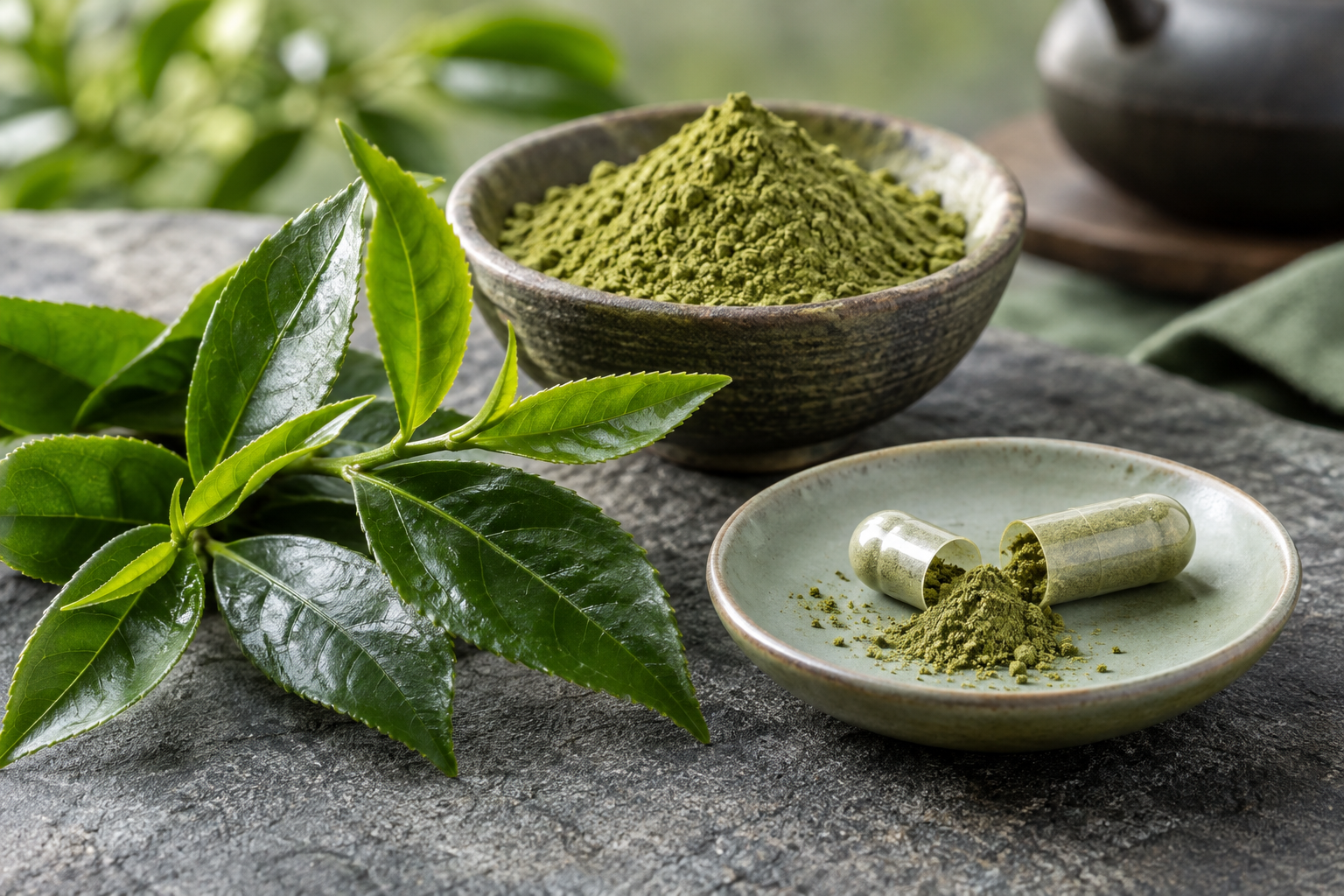
The abbreviation EGCG stands for epigallocatechin-3-gallate, one of the catechins of the tea plant Camellia sinensis. Catechins belong to flavan-3-ols, a subgroup of polyphenols; the gallate part of the molecule is an attached gallic acid residue. This structure affects chemical reactivity and interaction with surrounding molecules. In tea, EGCG coexists with epicatechin, epigallocatechin, and other compounds, so even a detailed study of the beverage does not automatically isolate the action of a single component. The complexity of this composition is evident in a chromatographic study of tea infusions.
During the production of green tea, early heat treatment limits the enzymatic oxidation of the leaf, helping to preserve the catechins. Then, the content of compounds in a cup depends on the raw material and preparation: the mass of the leaf, the volume of water, and the brewing conditions are all important. Therefore, "one cup" is a household unit, but a poor unit for comparing doses. A study of the chemical profiles of different teas shows why the color of the beverage and the name of the variety do not replace composition analysis. Attempting to replicate a research dose using a large number of cups without taking caffeine into account is also irrational.
On an extract label, it is necessary to distinguish between the mass of the entire extract, total polyphenols, total catechins, and EGCG itself. These are different levels of describing the composition, and the methods for determining total indicators can also vary. A good example is provided by the Minnesota Green Tea Trial: the daily dose provided about 1315 mg of total catechins, of which 843 mg were EGCG. If a manufacturer reports only the mass of the extract, the product cannot be compared with such a study. A percentage without specifying the substance to which it refers leaves the same ambiguity.
Caffeine deserves a separate line because EGCG itself is not caffeine. The presence of tea raw materials does not inform whether the stimulant has been preserved after processing or how much of it remains in the finished serving. For a metabolic study, this is fundamental: changes in energy expenditure may relate to the combination of catechins and caffeine. In Dulloo's experiment, an extract, caffeine alone, and a placebo were compared for this reason. For the reader, the same question determines how well a product fits into an already existing intake of coffee, tea, and energy drinks.
The method of delivery also varies: infusions, whole-leaf powder, standardized extract, and purified EGCG create different conditions for contact with the digestive tract. Leaf powder cannot be declared an equivalent to a capsule just because both originate from the same plant. For preparations with an altered delivery system, an additional question arises regarding actual exposure, that is, the amount of substance to which the body is subjected. Chow's pharmacokinetic study shows how much concentration can depend even on the regular presence of food. A new form requires its own data if its advantage is claimed through improved absorption.
Also important is the difference between an oral product and a topical medication. In the United States, there is an approved ointment containing a specific green tea extract for external genital and perianal warts, as reported by the NCCIH. Its effect is evaluated in a specific tissue upon local application. The approval of such an ointment does not extend to the oral intake of EGCG, cancer prevention, or the treatment of other infections. A common botanical source does not combine these uses into a single medical indication.
This is precisely why a professional discussion begins with a product description, rather than the general question of "whether green tea is beneficial." It is necessary to know the daily amount of EGCG, other active components, and the regimen and goal of use. This information is then compared with a human study that measured the desired outcome. If only the plant name matches, the conclusion remains too broad. Thus, the composition becomes the first filter of evidence and simultaneously a starting point for understanding physiology.
The journey of catechins through the gut, blood, and cell
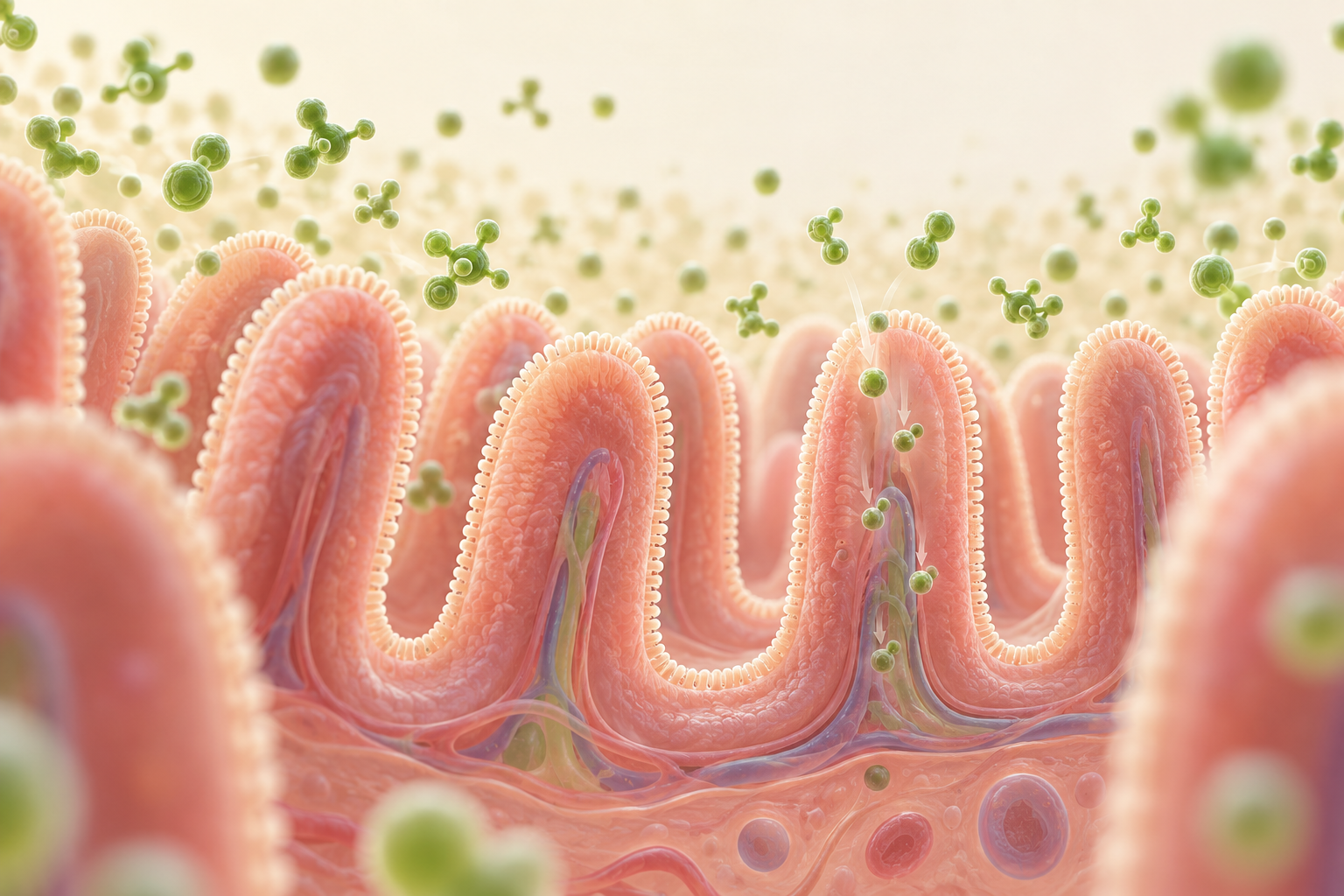
Ingested milligrams are not equal to the milligrams acting within a tissue. First, the substance must survive in the digestive environment, pass through the intestinal barrier, and avoid immediate transformation or efflux back into the lumen. For catechins, these stages significantly limit the entry of the parent molecules into the blood. At the same time, low systemic availability does not mean a lack of contact with the intestine. Here, the concentration and chemical environment may differ from those that will occur later in the plasma; therefore, intestinal and systemic mechanisms must be considered separately.
In a Stalmach study, people with an ileostomy drank green tea containing 634 micromoles of flavan-3-ols. The ileostomy allowed for the collection of contents exiting the small intestine before they reached the large intestine. Over 24 hours, about 70% of the ingested compounds were detected there in the form of parent substances and metabolites. Such a model helps to estimate how much material typically reaches the microbiota, although the sample itself has a specific anatomy. This does not mean that 70% of any EGCG preparation is necessarily "not absorbed" in every person.
As they are absorbed, catechins undergo conjugation: for example, glucuronide or sulfate groups are attached to the molecules. These transformations change the chemical properties, distribution, and excretion of the substance, rather than just increasing the number of its names. Moreover, different catechins behave differently: in a Chow study, EGCG and epicatechin-gallate were present in plasma predominantly in free form, whereas epicatechin and epigallocatechin were conjugated. Consequently, one cannot transfer the description of one catechin to the entire mixture. For comparison with a cellular experiment, it is also important which form was measured.
In the large intestine, another part of the story begins. Bacteria convert the ingested polyphenols into smaller phenolic compounds, some of which are then absorbed and excreted in urine. Roowi et al. combined the incubation of catechins with fecal material in vitro with a study of human urine after tea and water, including a comparison with ileostomy patients. Such a combination supports the involvement of the large intestine in metabolism. But the formation of metabolites does not yet establish an improvement in the intestinal barrier, the growth of "beneficial bacteria," or a therapeutic effect in a specific disease.
Food significantly changes the absorption of free EGCG. In a crossover study of 30 healthy volunteers, single doses of Polyphenon E, corresponding to 400, 800, or 1200 mg of EGCG, were taken with a light breakfast or while fasting. The mean maximum level of free EGCG while fasting was more than 3.5 times higher. This is a relative difference in concentrations, not a 3.5-fold increase in benefit. The practical interpretation of the result is related to safety: Health Canada recommends taking extracts with food, rather than using fasting to enhance the effect.
The chemical reactivity of EGCG explains both the appeal and the limitations of the word "antioxidant." Phenolic groups can participate in redox reactions, however, behavior depends on the environment. In Sang experiments, the instability of EGCG was associated with autoxidation and epimerization, and the rate of change depended, among other things, on pH, temperature, and oxygen. Therefore, a cell in a culture medium may receive not only the originally added EGCG but also its transformation products. The measured laboratory effect requires an understanding of this chemistry before it is linked to the protection of the organism.
The Nrf2 pathway, which regulates the expression of a number of protective enzymes, is also illustrative. In a study on mice, repeated intraperitoneal administration of EGCG at a toxic dose of 75 mg/kg inhibited major antioxidant enzymes while simultaneously enhancing the protective Nrf2 response. The activation of such a pathway may be a reaction to injury rather than an independent sign of benefit. The intraperitoneal method of administration differs from drinking tea or taking capsules, so the numerical dose cannot be extrapolated to humans. A mechanism becomes clearer precisely when the context of the exposure and the measured result are preserved.
Energy expenditure, fat oxidation, and actual weight change

The promise of "fat burning" connects several physiological processes that are useful to distinguish. The release of fatty acids from stores, their oxidation in tissues, and a reduction in total body fat mass are distinct events. Even if the body uses more fat as fuel during certain hours, the result depends on the daily energy balance and the subsequent replenishment of stores. Therefore, a study of metabolism over one day and a study of weight over several months answer different questions. The former may explain a mechanism but does not replace the latter.
In a small crossover study by Dulloo, ten healthy men spent a day in a respiratory chamber that measures gas exchange and energy expenditure. At separate stages, they received an extract containing 90 mg of EGCG and 50 mg of caffeine per dose with three meals, the same amount of caffeine alone, or a placebo. With the extract, the daily energy expenditure was 4% higher than with the placebo. This is a relative change in energy expenditure in a specific experiment. It does not mean a 4% weight loss, nor does it provide a permanent boost to metabolism for the following months.
In the same Dulloo study, the respiratory quotient decreased from 0.88 to 0.85. This quotient represents the ratio of carbon dioxide produced to oxygen consumed and helps estimate which substrates the body is oxidizing. A shift under such conditions is consistent with a larger proportion of fat in the fuel being used. However, the chamber did not measure long-term loss of fat stores. The small male sample and brief observation also leave open questions regarding adaptation, appetite, and the sustainability of the effect outside the laboratory.
A more applied trial by Maki included 132 overweight or obese adults, of whom 107 completed the study. Over twelve weeks, a beverage with approximately 625 mg of total catechins and 39 mg of caffeine was compared with a control beverage containing the same amount of caffeine without catechins. Both groups were advised to get at least 180 minutes of moderate physical activity per week. Such control helps separate the contribution of catechins from the difference in caffeine. However, 625 mg here denotes the mixture, not the dose of pure EGCG.
In the Maki trial, the change in body mass was −2.2 kg in the catechin group versus −1.0 kg in the control group; the intergroup difference did not reach statistical significance, p=0.079. At the same time, some indicators of abdominal fat area, measured by computed tomography, and triglycerides changed more favorably. These findings deserve discussion as results of a specific program. At the same time, the cross-sectional area of fat and total body mass are not interchangeable outcomes. A headline about belly fat therefore cannot be turned into a promise of guaranteed weight loss from any capsule.
The broader context is provided by a Cochrane systematic review, based on a search for studies prior to the beginning of 2012. In six trials outside of Japan involving 532 people, the average additional weight change was −0.04 kg over twelve to thirteen weeks; the 95% confidence interval ranged from −0.5 to +0.4 kg. Japanese studies were heterogeneous and were not combined into a single weight estimate. This shows both the small average effect in one group of studies and the problem of population comparability. The review also did not confirm benefits for maintaining weight loss.
For daily practice, it is important to distinguish between the action of a substance and the change in habit that accompanies its use. If unsweetened tea replaces a high-calorie drink, the reduction in the caloric value of the diet has an independent explanation. If an extract is added to exercise, the result depends on both the program and adherence to it. Such an attempt should be evaluated by the sustainable dynamics of body mass, waist circumference, and tolerability, while maintaining consistent measurement conditions. Increasing the dose for the sake of a noticeable sensation or faster results does not solve the problem of modest clinical efficacy.
Lipids, blood pressure, and glucose control
The conversation about cholesterol begins in the intestine, where dietary lipids must be converted into a form accessible for absorption. Bile acids and phospholipids form mixed micelles, which allow for the transport of poorly soluble compounds in an aqueous environment. In a study by Raederstorff on rats and an in vitro micelle model, EGCG reduced the micellar solubility of cholesterol and its intestinal absorption. This is a plausible local mechanism that does not necessarily have to be preceded by high blood concentrations. However, the experimental doses and animal diets differed from typical human usage.
Such a mechanism does not mean that EGCG simply "removes all fat" from food. Cholesterol, fatty acids, and triglyceride digestion products have different physical properties and transport pathways. In the same experiment, the effect on total fat absorption was moderate and was observed only at the highest doses. Transitioning to a human result requires measuring blood lipids and then, if disease prevention is claimed, clinical events. This sequence cannot be replaced by a pretty diagram of a micelle.
In a meta-analysis by Xu et al., 31 randomized trials with 3,321 participants investigating various forms of green tea were combined. The average LDL reduction relative to the control was 4.55 mg/dL; the 95% confidence interval corresponded to a decrease of 2.80–6.31 mg/dL. For total cholesterol, the estimate was 4.66 mg/dL, and no convincing changes in HDL or triglycerides were found. These are absolute concentration changes, not a percentage reduction in cardiovascular risk of the same magnitude. The composition of the preparations and the populations varied, so such an analysis does not establish a single therapeutic dose of pure EGCG.
Even a small shift in LDL has a certain physiological significance, since these lipoprotein particles are involved in cholesterol delivery and the development of atherosclerosis. But the magnitude that a specific person needs to achieve depends on the baseline level and cumulative risk. The reviewed trials do not prove that the extract replaces prescribed lipid-lowering treatment or prevents heart attacks. When interpreting, it is useful to first compare the effect size with the clinical task at hand. Then, safety and the potential for interaction with already prescribed medication are taken into account.
Glucose metabolism requires yet another set of measurements. Insulin sensitivity characterizes the tissue response to the hormone, insulin secretion characterizes the function of β-cells, and glucose tolerance reflects the final dynamics after a load. In a placebo-controlled study by Brown, 88 men aged 40–65 years with overweight or obesity received 400 mg of EGCG twice daily for eight weeks. No convincing improvement in these indicators was found. Such work tests the metabolic hypothesis directly in humans, but it does not answer all questions regarding the treatment of already established diabetes.
In the same study by Brown, diastolic blood pressure changed by an average of −2.68 mmHg for EGCG versus −0.058 mmHg for placebo; the difference was statistically significant. For systolic blood pressure and the other metabolic factors studied, no significant benefit was obtained. Diastolic pressure reflects the pressure in the arteries during the heart's relaxation phase, so it is a separate measured outcome. Its moderate reduction deserves mention, while maintaining the scale and duration of the observation. However, such a result does not allow combining blood pressure, glucose, and weight into a promise of overall "metabolic healing."
The mechanistic hypothesis also concerns glucose production by the liver itself—gluconeogenesis. In experiments by Collins on isolated hepatocytes, EGCG at concentrations up to 1 µmol/L inclusive inhibited this process via AMPK, an enzyme involved in coordinating cellular metabolism with energy status. Activation depended on the formation of reactive oxygen species and signaling through calmodulin-dependent kinase. Here, an oxidative signal was involved in the metabolic response, which is more complex than the standard formula of "an antioxidant removes all oxidation." But an isolated cell does not reproduce the hormonal regulation of the whole organism, so human glucose metabolism indicators remain an independent criterion of effectiveness.
Oncology and Neurology: When Mechanism Meets the Patient

Preventing a tumor requires demonstrating that the disease develops less frequently, while treating it requires showing that clinically significant outcomes are changed. Changing a cellular signal or an intermediate marker may help build a hypothesis, but it addresses a narrower question. It is especially easy to make a mistake when a compound is active in several laboratory systems simultaneously. It is important to determine whether the required concentrations were achieved in the tissue and whether the effect was separated from general toxicity. These conditions transform molecular observation into a testable clinical task.
In the Kumar trial, 97 men with specific biopsy-proven prostate changes—high-grade prostatic intraepithelial neoplasia and/or atypical small acinar proliferation—participated. This is a specifically selected group, not all men of a certain age. The participants received either a decaffeinated Polyphenon E mixture with 400 mg of EGCG daily or a placebo for one year. Prostate cancer was detected in 5 out of 49 men in the treatment group and in 9 out of 48 in the control group. The difference in the primary outcome was not statistically significant, p=0.25, therefore, preventive efficacy was not confirmed.
In Kumar's work, there were also favorable secondary findings, including a decrease in PSA. But PSA is prostate-specific antigen, and its concentration is not synonymous with the presence or absence of a tumor. The advantage in the secondary composite outcome, which combined cancer and atypical proliferation, was explained by a decrease in the diagnoses of the latter. Such a result can suggest the direction for the next study. It does not change the answer to the original question about proven cancer prevention and does not justify taking the extract on one's own instead of being monitored by a urologist.
The neurological hypothesis is linked to the misfolding and aggregation of proteins. In the biochemical study by Ehrnhoefer, EGCG bound to α-synuclein and amyloid-β and directed their assembly into structures that differed from ordinary amyloid fibrils. This is an attractive idea: to change the route of aggregate formation, rather than simply reducing the amount of protein. However, the experiment was performed in an experimental system where molecules directly contact each other. In the brain, delivery of the substance, its metabolism, the cellular environment, and already existing tissue damage are added to this task.
The PROMESA trial in 92 patients with multiple system atrophy served as a test for this idea. This is a progressive neurodegenerative disease associated with α-synuclein pathology but different from Parkinson's disease and Alzheimer's disease. The dose of EGCG was increased from 400 mg per day in the first four weeks to 800 mg for the next four, and then to 1200 mg for forty weeks. The treatment was followed by four weeks without the drug. The main result was assessed at week 52 using the motor part of the UMSARS scale.
In PROMESA, the intergroup difference in the change of the motor score was −0.94 points; the 95% confidence interval ranged from −3.71 to +1.83. No statistically convincing advantage over placebo was found, and two patients discontinued treatment due to hepatotoxicity. The interval reflects the uncertainty of the effect size, not an exact proof of complete equality. At the same time, the result does not support the use of the studied regimen for slowing the disease. It also shows that a large dose by itself does not solve the problem of transitioning from protein interaction to clinical benefit.
These two stories are useful because they restore the mechanism to its place in the evidentiary chain. Laboratory observation explains why a trial is reasonable to conduct, and a pre-selected clinical outcome determines what it has confirmed. Reducing a marker and changing a protein aggregate can remain valuable research results without turning into a medical recommendation. It is important for a specialist to maintain exactly this distinction when discussing EGCG with a patient. For a person who is offered capsules "against cancer" or "for brain protection," it has direct practical significance.
Liver: from elevated enzymes to serious damage
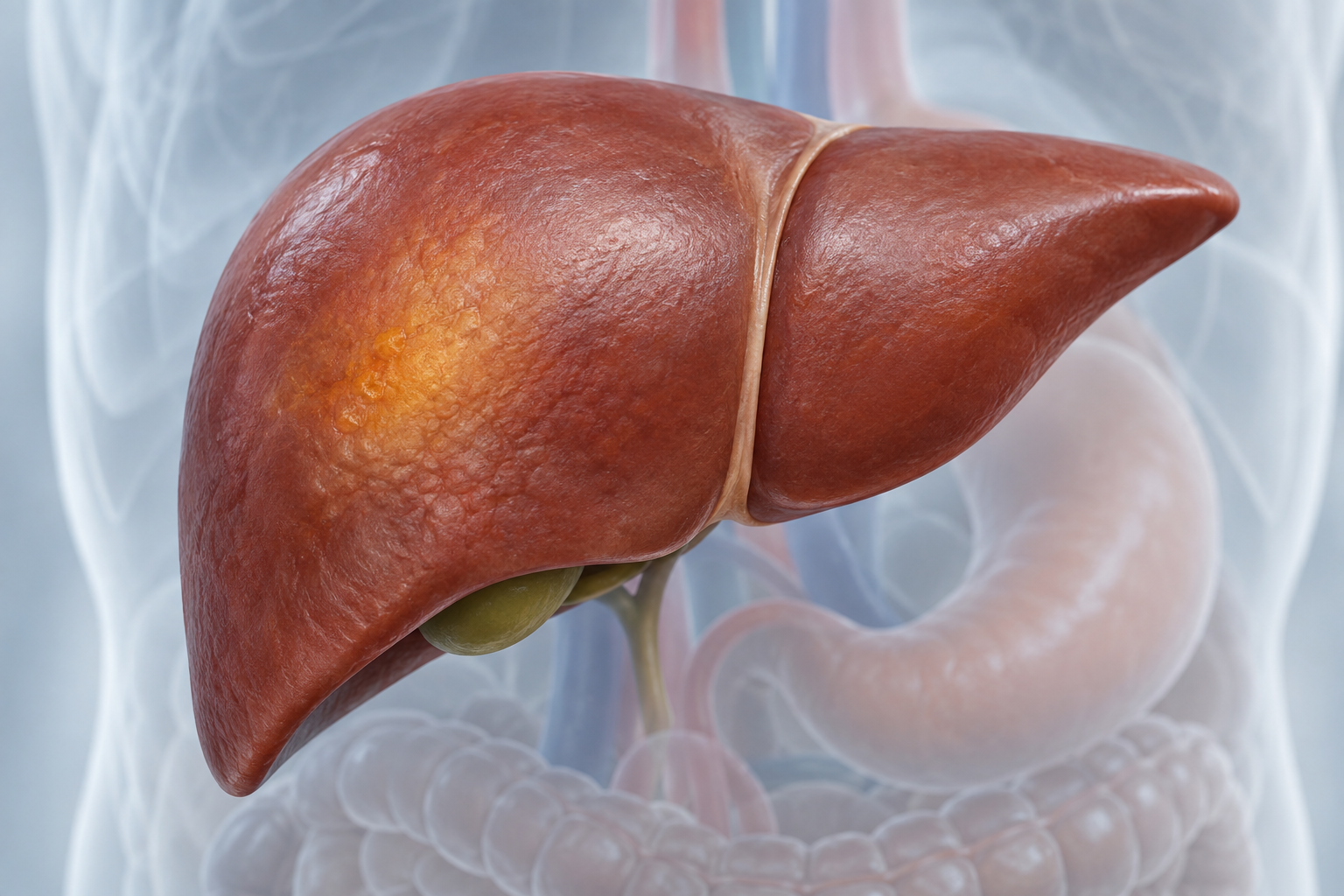
The liver is involved in processing compounds arriving from the intestine, but the expression "liver load" is too indefinite for risk assessment. When hepatocytes are damaged, ALT and AST enzymes can enter the blood, so their elevation serves as a signal of cellular damage. It is not synonymous with liver failure, which is assessed by other clinical and laboratory signs. At the same time, the absence of pronounced sensations does not exclude biochemical changes. LiverTox describes both asymptomatic enzyme elevations with extracts and clinically manifest acute liver injury.
Particularly compelling are the results of the randomized Minnesota Green Tea Trial, which included 1,075 postmenopausal women. The extract provided an average of 843 mg of EGCG per day over twelve months; capsules were taken with breakfast and dinner. Liver function markers were monitored according to a protocol, with the supplement discontinued upon corresponding deviations. Thus, the signal emerged during organized monitoring and administration with food. Dividing the daily dose into two intakes also did not prevent its occurrence.
The liver analysis of this trial included 1,021 participants with normal baseline ALT and AST levels. Moderate or more severe abnormalities in at least one of the evaluated markers were identified in 26 of the 513 participants in the extract group, or 5.1%, compared to 4 out of 508 in the placebo group, approximately 0.8%. The adjusted odds ratio was 7.0 with a 95% confidence interval of 2.4–20.3. This is an odds ratio, not an absolute risk of 7% and not an exact sevenfold probability for any consumer. We are referring to laboratory abnormalities of a certain degree of severity, not the incidence of liver failure among all users of tea products.
In the EFSA assessment, doses of 800 mg of EGCG per day in supplements are associated with a statistically significant increase in transaminases. However, it was not possible to establish a safe level for the extracts. The number 800 denotes the area of the observed signal, not a sharp boundary between harmless and dangerous effects. Individual reactions and differences between products do not disappear below this figure. For the same reason, a lower dose or dividing the portion cannot by themselves serve as a guarantee of safety.
In addition to the dose factor, there is individual predisposition. In the DILIN network analysis, 40 episodes of liver injury were linked to green tea; three required transplantation. Among the genetically screened patients, the carriage of HLA-B*35:01 was 72%, which supports the hypothesis of immune involvement in some reactions. These are selected disease cases, so it is impossible to calculate the frequency of severe injury among all users from them. The association with the gene also does not make a negative genetic test a clearance for safe intake.
Clinically, injury can appear weeks or months after the start of use. LiverTox describes a predominantly hepatocellular pattern of injury and the possibility of a more rapid recurrent episode upon resumption of exposure. Therefore, a suspected reaction cannot be tested by independently returning to the capsules after blood tests improve. Medical assessment is necessary to exclude other causes: concurrent medications, viral illness, or previously undetected pathology. A normal baseline test characterizes the moment of examination and does not predict the absence of a subsequent reaction.
Practical signs for immediate discontinuation are listed in the Health Canada recommendations: yellowing of the skin or eyes, dark urine, unusual fatigue, loss of appetite, abdominal pain, nausea, or vomiting. If these appear, it is necessary to stop the extract and seek medical evaluation without waiting for the end of the course. If a specialist still considers the use justified, they determine the necessity and timing of liver function monitoring, taking into account the specific regimen. Taking it with food is a risk-reduction measure, but it does not replace such an assessment. Here, safety must determine the decision on use, rather than being added to it as a footnote.
Medications, product selection, and the limits of self-administration
Interactions can occur even before the substance reaches the liver. In the Misaka study, ten healthy volunteers consumed 700 ml of green tea or water daily for fourteen days, after which they received a single dose of 30 mg of nadolol. The maximum concentration of the medication decreased by 85.3%, and the area under the concentration curve decreased by 85.0%. The latter characterizes the total exposure to the drug over the measured period. Simultaneously, the effect of nadolol on systolic blood pressure was weakened, so this was a clinically meaningful signal regarding a specific combination.
In the cellular part of the same study, tea inhibited nadolol transport via OATP1A2, which supports a possible intestinal mechanism for the interaction. However, the result does not imply the same effect for all β-blockers. The simple solution of "spacing by an hour" is also not confirmed: in a subsequent crossover study with 11 volunteers who completed the trial, 150 ml of brewed tea one hour before 30 mg of nadolol still reduced its exposure. This was a specific research infusion, not just any cup of arbitrary strength. A universal safe interval does not follow from these works.
There are also human data for atorvastatin. In a three-period crossover study, twelve healthy volunteers received 40 mg of the drug either alone or concurrently with 300 or 600 mg of green tea dry extract. Total atorvastatin exposure decreased by approximately 24% and 22%, respectively. These doses indicate the mass of the extract, not EGCG; a single-dose change in concentration also does not establish the magnitude of LDL change during long-term treatment. The practical conclusion is the need to coordinate the combination while maintaining the prescribed therapy, rather than independently changing the statin dose.
Beyond interactions, one must consider common tolerability and caffeine. The NCCIH notes nausea, constipation, abdominal discomfort, and possible blood pressure elevation for extracts. Caffeine requires separate attention regarding total intake, sleep, and sensitivity to stimulants; its presence is especially significant during pregnancy and breastfeeding. At the same time, the absence of caffeine does not eliminate the question of catechin safety. A Canadian safety review limits the use of the reviewed extracts to adults, and the safety of high doses for children or pregnant women cannot be inferred from trials in other populations.
Product selection requires a transparent composition rather than the maximum figure on the front of the packaging. It is necessary to know the daily amount of EGCG, total catechins, caffeine, and all additional active ingredients. Information about the manufacturer, batch, and storage conditions, allowing one to reconstruct exactly what a person was taking, is useful. It is particularly difficult to evaluate a multi-component "fat burner" if the amounts of the components are hidden in a proprietary blend. In the DILIN series, most green tea-related episodes involved multi-component supplements; therefore, such uncertainty also has clinical significance.
There is no established dietary requirement for EGCG that should be supplemented daily with capsules. The examined research doses describe experiments and do not constitute a self-administration regimen. One cannot choose a universal course by consistently increasing the amount until an effect appears: different tasks were studied with different preparations, and a safe level of extract remains undefined. In the presence of liver disease or concurrent medication use, discussion should begin with an assessment of advisability. The recommendation to take the extract with food relates to risk reduction and does not transform a questionable purpose of use into a justified one.
A rational conversation about EGCG ends with a concrete goal that can be evaluated and a clear condition for discontinuation. Tea can remain a habitual beverage without an attempt to turn every cup into a medical procedure. Concentrates hold a different position: the expected effect is weighed against liver risk, interactions, and alternatives for the same task. If the benefit is defined only by words like "antioxidant" or "activation of cellular pathways," this is insufficient for choosing a regimen. Understanding composition, exposure, and human outcomes allows for a decision without exaggerating either the capabilities of EGCG or the probability of harm.
FAQ
Are EGCG, catechins, and green tea extract the same thing?
No. EGCG is an individual catechin, whereas an extract contains a mixture of compounds. To compare with studies, one needs the daily amount of EGCG, total catechins, caffeine, and other active components; extract mass alone is insufficient.
Can capsules be replaced by a specific number of cups of tea?
There is no exact universal conversion: the composition depends on the raw material and brewing method. Besides the amount of EGCG, the rate of absorption, frequency of intake, and caffeine content differ. Research doses of extract cannot be replicated by drinking large amounts of tea without accounting for these differences.
Should EGCG be taken on an empty stomach for better absorption?
This method of enhancing absorption should not be used independently. A higher concentration does not mean greater clinical benefit. Health Canada recommends taking extracts with food, and the appearance of risk in studies while taken with meals shows that this measure does not guarantee safety.
What dose is considered safe?
EFSA was unable to establish a safe level of EGCG for extracts. A signal of increased transaminases at doses of 800 mg per day does not make lower doses inherently harmless. Research regimens should not be used as universal prescribing guidelines.
Can EGCG replace treatment for high cholesterol or diabetes?
There is no basis for independently replacing prescribed treatment. Mean lipid changes in studies were small, and trials of purified EGCG did not confirm improvements in the studied glucose metabolism markers. Choosing a treatment requires evaluating baseline indicators, total risk, and drug interactions.
Which tests and symptoms are important for the liver?
With medically justified use, a specialist determines the necessity and frequency of liver function monitoring. Normal baseline ALT and AST do not exclude subsequent injury. In the presence of jaundice, dark urine, unusual fatigue, abdominal pain, loss of appetite, nausea, or vomiting, the extract should be stopped and medical evaluation sought.
Can I resume taking the extract after a suspected liver reaction?
One should not independently resume use to test the cause. LiverTox describes recurrent injury upon re-exposure, sometimes with a faster onset. Improvement after discontinuation requires discussing the cause and further steps with a specialist, rather than conducting a repeated experiment.
Is it enough to separate tea and nadolol by one hour?
A study of a specific infusion showed that this interval did not eliminate the reduction in nadolol exposure. One should not attempt to determine a universal interval or change drug doses independently. Any combination should be discussed with a treating specialist, specifying the composition and typical amount of the tea product used.
Is decaffeinated extract suitable for children and pregnant women?
Removing caffeine does not resolve the safety concerns regarding catechins. Trials in adult men or postmenopausal women do not prove the safety of high doses for children, pregnant, or breastfeeding individuals. Canadian assessments evaluate the use of such extracts in adults; decisions for special populations require separate medical justification.
Sources
- Del Rio et al. 2004. HPLC-MSn analysis of phenolic compounds and purine alkaloids in green and black tea
- Lin, Chen and Harnly. 2008. New Phenolic Components and Chromatographic Profiles of Green and Fermented Teas
- Stalmach et al. 2010. Absorption, metabolism, and excretion of green tea flavan-3-ols in humans with an ileostomy
- Roowi et al. 2010. Green tea flavan-3-ols: colonic degradation and urinary excretion of catabolites by humans
- Chow et al. 2005. Effects of dosing condition on the oral bioavailability of green tea catechins after single-dose administration of Polyphenon E in healthy individuals
- Sang et al. 2005. Stability of tea polyphenol (-)-epigallocatechin-3-gallate and formation of dimers and epimers under common experimental conditions
- Wang et al. 2015. Green tea polyphenol (-)-epigallocatechin-3-gallate triggered hepatotoxicity in mice: responses of major antioxidant enzymes and the Nrf2 rescue pathway
- Collins et al. 2007. Epigallocatechin-3-gallate (EGCG), a green tea polyphenol, suppresses hepatic gluconeogenesis through 5'-AMP-activated protein kinase
- Dulloo et al. 1999. Efficacy of a green tea extract rich in catechin polyphenols and caffeine in increasing 24-h energy expenditure and fat oxidation in humans
- Maki et al. 2009. Green tea catechin consumption enhances exercise-induced abdominal fat loss in overweight and obese adults
- Jurgens et al. Green tea for weight loss and weight maintenance in overweight or obese adults. Cochrane Database of Systematic Reviews, CD008650